



11 Desert Plants with Medicinal Benefits
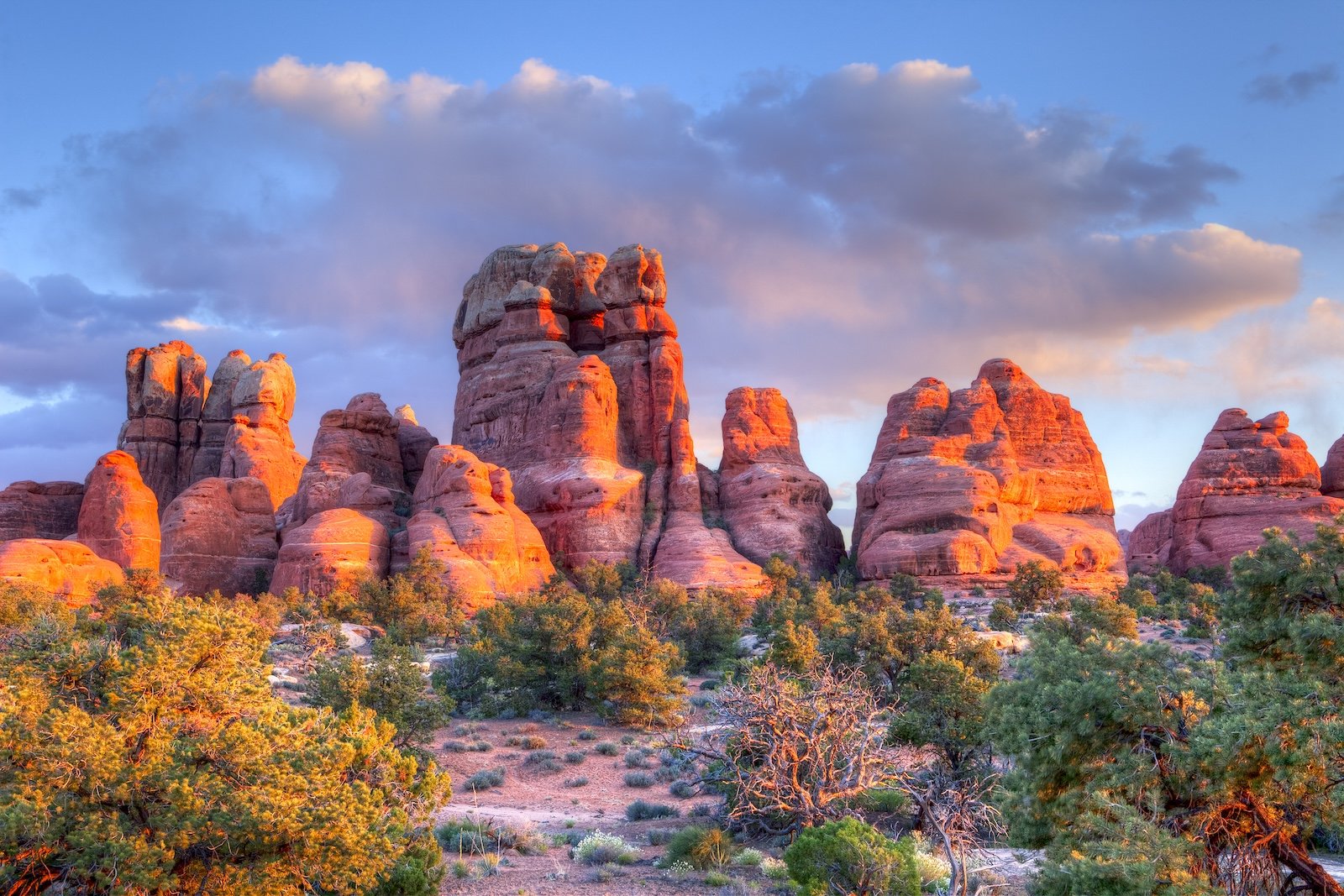
The desert holds ancient wisdom in its roots, with a resilient collection of flora that thrives in sunbaked soil and sculpted red rock canyons, making this timeless landscape rich in botanical gifts. For centuries, these medicinal plants have been used for healing, nourishment, and spiritual connection in the American Southwest. Engage your senses as you explore the desert’s natural remedies and ancient wisdom through our guide to its powerful medicinal plants.
Disclosure: This blog is for educational purposes only to help guests learn to identify local flora. Do not harvest or consume wild plants without proper training and medical guidance.
Prickly Pear Cactus
With wide, paddle-shaped pads and cheery pink or yellow blooms, the prickly pear is more than just a desert beauty – it’s a desert healer. The gel inside its pads can be used as a poultice to reduce inflammation and soothe minor wounds and burns. Rich in antioxidants, its ruby-colored fruits are also used in teas, syrups, and desert-inspired drinks, adding a tart, refreshing flavor.
Aloe Vera
Aloe has become a staple in desert gardens for good reason. This succulent stores water in its plump green leaves, creating a translucent gel. Long treasured for its cooling, hydrating properties, aloe vera soothes sunburns, skin irritations, and digestive issues alike. Its clean, slightly herbal scent is as calming as its touch.
Desert Sage
Spicy, aromatic, and grounded in ancient ceremony, desert sage is one of the most iconic medicinal plants of the American Southwest. Its silvery leaves release a sweet, herbal scent when crushed or burned – used traditionally in smudging rituals to cleanse the body, spirit, or space. Brewed as tea, desert sage may ease anxiety, sore throats, and inflammation.
Indian Paintbrush
This fiery flower bursts from the ground in bright red and orange flames, painting the desert in color. Ancient medicinal purposes used the Indian paintbrush to help treat rheumatism and boost immunity. The flower was sometimes chewed or steeped to make a mild digestive tonic.
Big Sagebrush
Found across Utah’s open range, big sagebrush gives the desert its signature scent. Earthy, bitter, and slightly mentholic, the aroma intensifies in the summer sun. Traditionally, its leaves were brewed into tea to treat colds and headaches or applied as a poultice for wounds. Today, dried sagebrush is still burned in smudging rituals – a practice rooted in spiritual healing and purification.
Yucca
This spiky-leafed plant holds healing power. Yucca root contains natural saponins that lather like soap and have been used to treat skin conditions like eczema and psoriasis. Dried and brewed, yucca has been used to support joint health and digestion.
Cliffrose
With creamy white blossoms and a light, honey-like scent, cliffrose is an elegant desert beauty. This flowering shrub thrives on dry canyon slopes, often growing out of seemingly impossible rock faces. For centuries, its flowers and inner bark were brewed into soothing teas to treat coughs, colds, and stomach troubles.
Gray Globemallow
One of the desert’s most underrated wildflowers, the gray globemallow brings a soothing power in its soft orange bloom. A traditional remedy for respiratory ailments, its leaves and blooms have been brewed to soothe flu symptoms and fevers. Crushed fresh, the plant forms a poultice to ease burns, bites, and skin irritation.
Mormon Tea
This reed-like green shrub has long been used as a decongestant and stimulant. Known as Mormon Tea or “desert ephedra,” ancestral brews were used to treat colds, allergies, and urinary tract issues. While it contains little to no ephedrine, the tea’s energizing effect made it a desert staple.
Pinyon Pine
Sticky, fragrant resin seeps from the bark of this high desert conifer, and with it comes a long history of use as a disinfectant, salve, and throat soother. Resin was chewed to relieve sore throats or infections; sap was applied to wounds and muscle pain. Pine needle tea provides vitamin C and immune support. The protein-rich pinyon pine nuts, tucked inside cones, offer a rich, buttery, and nutritious snack.
Utah Juniper
This resilient tree, with its twisted trunk and blue-gray berries, has long served as a source of both food and medicine. The berries were used as a digestive aid. Leaves and berries were steeped into tea to ease colds and arthritis. Juniper smoke was burned for purification ceremonies. Its earthy, woodsy flavor also makes an excellent simple syrup for cocktails or mocktails.
The Desert’s Living Soil
Before any of these medicinal plants can grow, they rely on the desert’s invisible support system: cryptobiotic soil crust. This fragile network of mosses, lichens, fungi, and cyanobacteria plays a vital role in preventing erosion and helping native plants absorb nutrients. As you explore the desert, always stay on designated trails to protect this ancient living layer.
Guided Plant Medicine Walk at ULUM Moab
Want to learn more about the healing plants of the region? Join ULUM Moab’s complimentary one-hour guided plant medicine walk for guests, led by a certified herbalist. Wander the property’s trails and canyons while learning to identify local flora, understand their ecological role, and explore their traditional uses. Check with the front desk for the most up-to-date schedule for complimentary programming.
Retreat into Wellness at ULUM Moab
Just steps from Looking Glass Arch, ULUM Moab invites you to slow down and reconnect with nature. Start your day with guided yoga or a meditative sound bath, then explore the landscape through plant walks and tea blending sessions – each designed to harmonize body, mind, and spirit with the desert’s energy. Dine on Southwest-inspired cuisine, then gather under the stars for gourmet s’mores by the fire. As the sun paints the sky in shades of orange and pink, unwind in hot and cool dipping pools before retreating to your private, safari-style suite tent, surrounded by stillness, stars, and nature’s gifts.
Looking to sample the flavors of the land? Try one of our desert-inspired mocktail recipes featuring prickly pear, juniper, and sage.