
A Guide to Indian Creek Climbing Area in Utah: Rock Climbing, Petroglyphs, and Outdoor Adventure
Just south of Moab lies one of the Southwest’s most extraordinary destinations: Indian Creek Climbing Area. Part of Bears Ears National Monument, this remarkable landscape is defined by towering sandstone cliffs, sweeping desert vistas, and centuries of human history. While Indian Creek is renowned for its world-class rock climbing, there’s much more to discover beyond its canyon walls. From ancient petroglyphs to scenic drives and quiet moments beneath the wide-open desert sky, Indian Creek invites you to experience the beauty and heritage of Utah’s red-rock country. Here’s your guide to exploring Indian Creek, connecting with nature, and making the most of your visit.
About Indian Creek Climbing Area
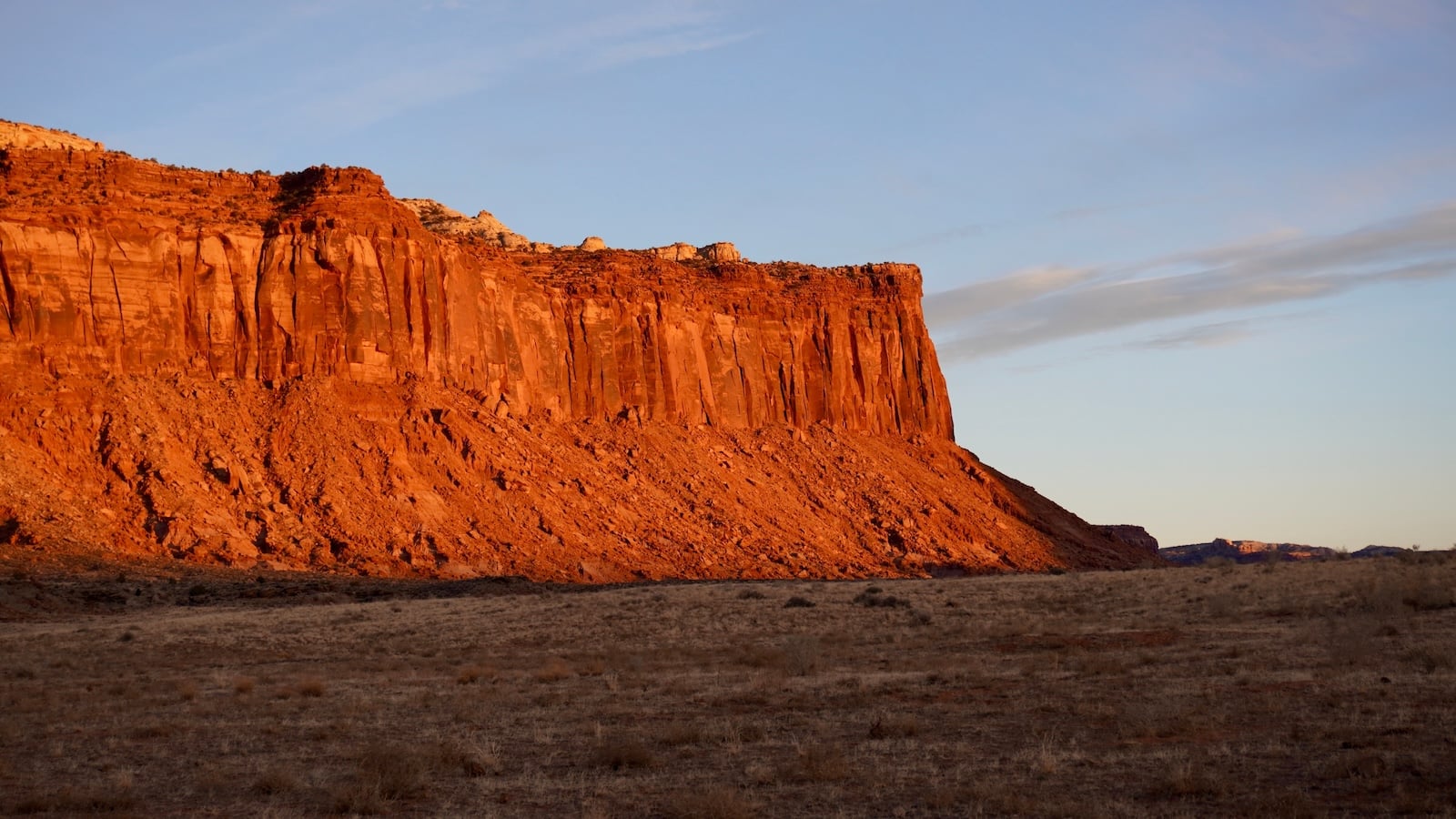
Located 40 miles south of Moab along scenic Utah Highway 211, Indian Creek is a spectacular desert landscape known for its sandstone walls and vertical cracks. It’s one of the world’s premier rock-climbing destinations, yet its draw extends beyond climbing. Massive red-rock cliffs rise above sage-covered valleys, golden eagles soar overhead, and ancient rock art reveals the enduring connections between Indigenous peoples and this landscape. Bordering the Needles District of Canyonlands National Park, Indian Creek is a memorable addition to any Moab itinerary, whether you’re an experienced climber or seeking a scenic escape off the beaten path.
When to Visit Indian Creek
Spring (March through May) and fall (September through November) are the best times to visit Indian Creek, with mild temperatures perfect for climbing and sightseeing. Spring brings longer days and wildflowers, while fall offers crisp mornings and beautiful golden light. Summer heat can be intense, with thunderstorms and the risk of flash flooding. Winter brings solitude and snow-dusted scenery, though icy conditions can limit access. Always check the forecast before heading out.
Things to Do in Indian Creek
From breathtaking scenic drives to challenging climbs and ancient rock art, Indian Creek offers plenty of ways to experience the beauty and heritage of the American Southwest.
Drive the Indian Creek Scenic Byway (UT-211)
The journey to Indian Creek Climbing Area is part of the adventure. Utah State Route 211, also known as the Indian Creek Scenic Byway, branches west from US-191, about 40 miles south of Moab, and winds through some of southeastern Utah’s most stunning landscapes. The 35-mile paved scenic route leads to the Needles District of Canyonlands National Park, passing sandstone cliffs, expansive desert valleys, and striking rock formations along the way.
Stop at Newspaper Rock to admire ancient petroglyphs before continuing into Indian Creek Canyon, where massive red-rock walls frame the road. As you approach Canyonlands, the scenery shifts toward the park’s distinctive sandstone spires.
Allow several hours for the round-trip drive from US-191, especially if you plan to stop for photography and sightseeing.
Discover Ancient Petroglyphs on the Newspaper Rock Trail
Distance: 0.2 miles round trip | Difficulty: Easy
Located along Highway 211, Newspaper Rock State Historic Monument features a sandstone panel covered in hundreds of petroglyphs spanning 2,000 years of human history. Known in Navajo as Tse’ Hane, meaning “rock that tells a story,” this remarkable site offers a glimpse into the region’s rich cultural heritage. A short gravel path leads to the ancient carvings, which depict animals, human figures, and symbols created by generations of Indigenous peoples, including Ancestral Puebloan and Ute communities. Admire the artwork from the designated viewing area without touching the rock surface.
For more rock art discoveries, explore our guide to Moab’s petroglyphs and where to find them.
Experience World-Class Crack Climbing
Indian Creek is legendary among rock climbers for its seemingly endless sandstone cracks, known as “splitters.” These crack climbs challenge climbers to use precise hand and foot placements while ascending towering rock faces.
Popular climbing areas include Supercrack Buttress and the North and South Six Shooter formations. Most routes require traditional climbing techniques, specialized equipment, and experience placing protective gear. Beginners should consider a guided climbing experience before attempting these routes.
Tips for Exploring Indian Creek’s Climbs
- Wait at least 24–48 hours after rain before climbing on sandstone.
- Use existing trails and respect private property.
- Avoid walking on fragile biological soil crust.
- Respect seasonal raptor avoidance areas to protect nesting birds.
Even if climbing isn’t on your Moab itinerary, watching climbers navigate the towering cliffs offers a fascinating glimpse into the area’s adventurous spirit.
Birding and Desert Photography
Indian Creek’s dramatic canyon landscapes offer exceptional opportunities for birdwatching and photography. Bring binoculars to spot golden eagles and peregrine falcons soaring above the sandstone cliffs, or keep an eye out for mule deer and other desert wildlife in the surrounding valleys. Early morning and late afternoon are especially beautiful, when golden sunlight bathes the rock walls in warm shades of orange and red.
Responsible Travel at Indian Creek in Utah
Indian Creek and the greater Bears Ears region are fragile desert ecosystems and living cultural landscapes with deep meaning to Indigenous communities. Help preserve these extraordinary places by following Leave No Trace principles. Stay on designated trails and roads, avoid stepping on delicate biological soil crust, and never touch rock art or remove artifacts. Respect ancestral structures and posted climbing restrictions designed to protect nesting birds.
To better understand the region’s cultural heritage, watch the Bears Ears Partnership’s Visit With Respect videos or explore with Ancient Wayves, an Indigenous-owned tour company.
By exploring thoughtfully, you can help preserve this remarkable landscape and its cultural heritage for generations to come.
Tips for Visiting Indian Creek Climbing Area
- Getting there: From Moab, drive south on US-191 approximately 40 miles and turn west onto UT-211. The highway is paved, but many side roads are unpaved and may require a high-clearance vehicle.
- Fees and entry: Bears Ears National Monument and Indian Creek have no general entrance fee, but certain activities and backcountry areas may require fees or permits. Canyonlands National Park has a separate entrance fee.
- Road conditions: Check weather and road conditions before heading out. Unpaved routes can become impassable after rain, and storms can cause flash flooding.
- Come prepared: Cell service and amenities are limited. Bring plenty of water, food, sun protection, offline maps, and a first-aid kit.
- Respect the landscape: Stay on established routes, pack out everything you bring, and follow all posted restrictions.
Where to Stay in Moab
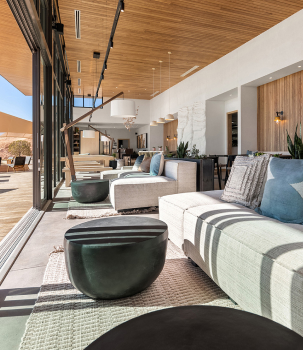
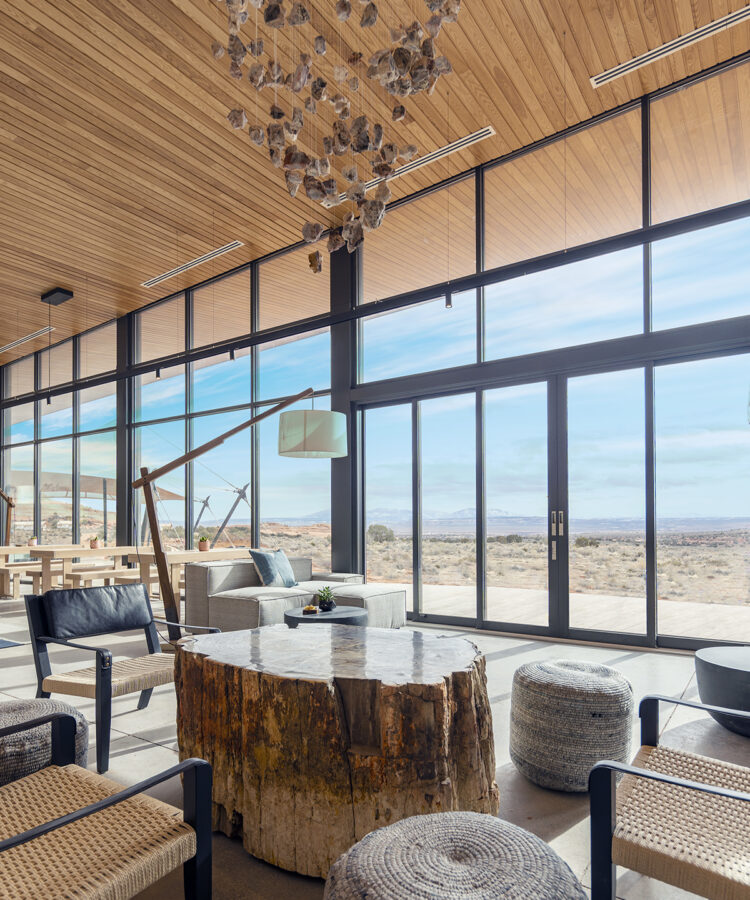
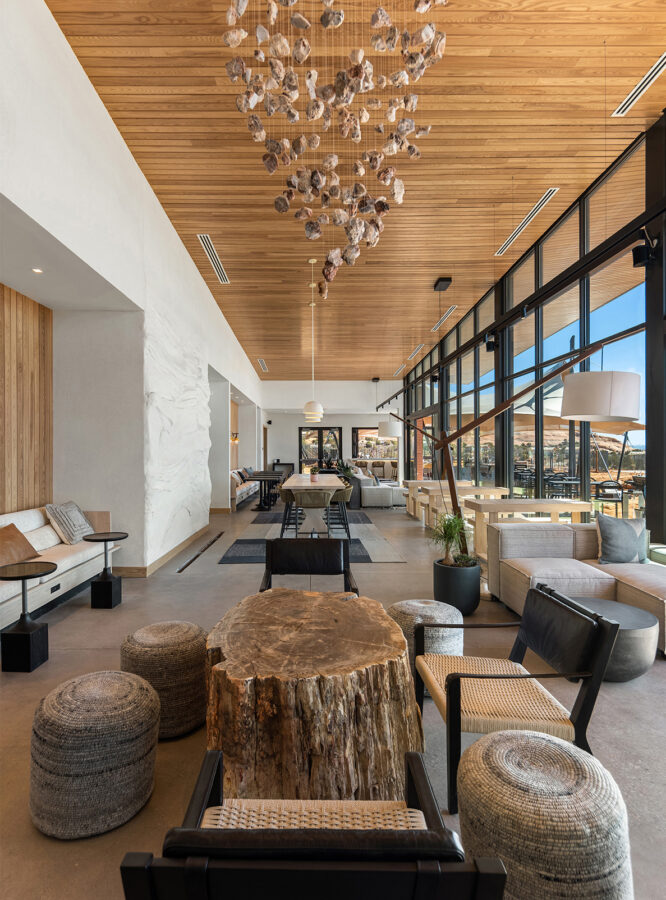
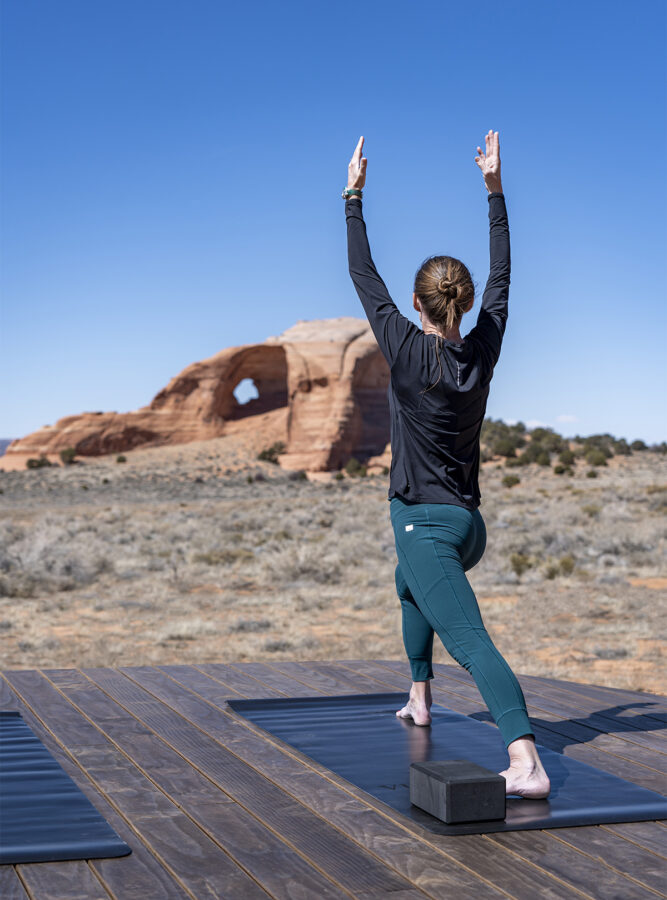
Surrounded by sweeping desert landscapes and just steps from Looking Glass Arch, ULUM Moab offers an elevated basecamp for discovering southeastern Utah’s natural wonders. Wake up in safari-inspired Suite Tents with views toward Canyonlands National Park, then set out for a day of climbing, sightseeing, and exploring Indian Creek’s extraordinary sandstone landscapes. After a day of adventure, return to refined comforts in nature. Savor Southwest-inspired dining, unwind in hot-and-cold dipping pools, or restore with massage treatments. As evening settles over the desert, gather beneath a canopy of stars and experience the quiet beauty of the Southwest.