
A Guide to Bears Ears National Monument: Hiking, Scenic Areas, and Responsible Travel
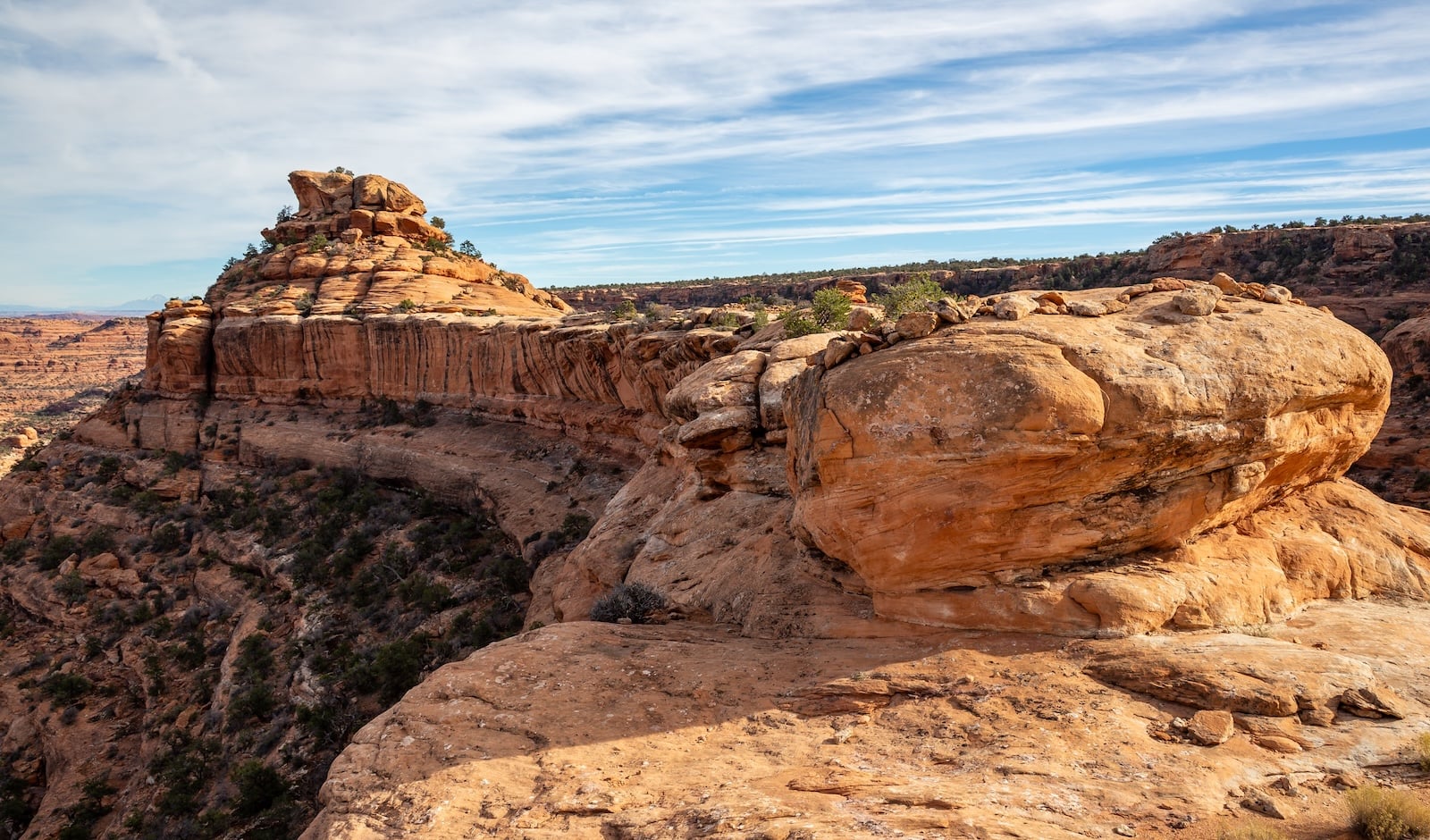
In southeastern Utah, red-rock canyons, high desert plateaus, sandstone cliffs, and archaeological sites come together in Bears Ears, one of the American Southwest’s most meaningful landscapes. Bears Ears National Monument is known for its striking desert scenery, from the twin buttes that resemble a bear’s head and ears to a region rich with cultural treasures and traditions. Less than 1.5 hours from ULUM Moab, Bears Ears is a perfect addition to a Moab itinerary filled with hiking, climbing, and scenic exploration. Here’s how to explore the monument thoughtfully and make the most of your visit.
About Bears Ears National Monument in Utah
Managed by the Bureau of Land Management (BLM) and USDA Forest Service in consultation with Tribal Nations, the monument protects a culturally rich landscape with thousands of archaeological sites, from cliff dwellings and granaries to kivas and rock art. Tribal communities maintain deep connections to the land today. Bears Ears feels wild rather than developed, with mesas, narrow canyons, steep grades, and backcountry roads. Some sites sit just off major roads, while others require a high-clearance vehicle, adding to the remoteness that makes Bears Ears so special.
When to Visit Bears Ears National Monument
Spring and fall are the best seasons to visit Bears Ears National Monument, with mild days perfect for hiking, climbing, and scenic drives. Summer brings intense desert heat and storms that can cause flash floods or make dirt roads impassable. Winter is quietly beautiful but can bring snow, ice, and cold temperatures at higher elevations. Check weather conditions before setting out, especially for remote canyon routes or unpaved roads.
Visit the Bears Ears Partnership website for visitor information, including fees and permits, upcoming events, visitor center hours, and monument maps.
Things to Do in Bears Ears National Monument
Visit the Bears Ears Education Center
Begin with a visit to the Bears Ears Education Center to learn more about the landscape’s history and culture. The community-powered space has maps, visitor information, exhibits, an outdoor classroom, a Native Plants Garden, and local artwork and stories that reinforce that Bears Ears is a living cultural landscape, not simply a place of the past.
Hiking in Bears Ears
Bears Ears hiking ranges from short interpretive walks to remote canyon adventures with opportunities to experience the region’s natural beauty and layered history.
Butler Wash Interpretive Trail
Distance: 1 mile round trip | Difficulty: Easy
Cross slickrock and shallow washes to an overlook of ancestral Puebloan cliff dwellings tucked beneath a sandstone alcove. The relatively short trail makes this a great introduction to the region’s cultural landscape.
House on Fire
Distance: 2 miles round trip | Difficulty: Moderate
Follow the South Fork of Mule Canyon to a collection of ancient granaries beneath colorfully banded sandstone. In the right light, the rock above appears to glow like flames, giving the site its name.
Kane Gulch to Junction Ruin
Distance: 8 miles round trip | Difficulty: Moderate
Beginning near Kane Gulch Ranger Station, this longer route descends into Grand Gulch, where towering canyon walls shelter ancestral structures and rock art with quiet stretches of desert scenery.
Moon House
Distance: 2 miles round trip | Difficulty: Moderate
One of the region’s most remarkable ancestral sites, Moon House is reached by a rugged route involving steep slickrock and a short scrambling descent. Visitation requires a permit, so plan ahead if you want to do this hike.
Rock Climbing in Bears Ears
Indian Creek is legendary among climbers for its towering sandstone walls and long, parallel cracks. Thousands of established routes make the area one of the world’s premier destinations for crack climbing. Climbers should stay on established approaches, respect seasonal closures, and avoid climbing sandstone for at least 24 to 48 hours after rain.
ULUM Moab offers guided climbing experiences in and around Moab, pairing expert instruction with an unforgettable day in one of southeastern Utah’s most iconic landscapes.
Scenic Drives and Viewpoints in the Bears Ears Region
Valley of the Gods
South of the monument boundary, a 17-mile gravel loop through Valley of the Gods winds through towering red-rock buttes and expansive desert views often compared to a mini Monument Valley. Pullouts along the route make it easy to stop and take in the shifting perspectives. Passenger vehicles can manage the road when conditions are dry, but steep grades, stream crossings, and changing weather make a high clearance or 4WD a better choice.
Goosenecks State Park
Near Mexican Hat, this small state park overlooks the San Juan River as it twists through three dramatic horseshoe bends nearly 1,000 feet below the rim. It’s an easy addition to a southern Bears Ears, Utah itinerary and offers expansive views across the surrounding desert landscape.
Needles Overlook
Closer to Moab, Needles Overlook offers a sweeping panorama across Canyonlands National Park’s Needles District and the surrounding canyon country. Reached by paved road, it makes an easy scenic stop on the journey south from Moab toward Indian Creek and Bears Ears.
Indian Creek Scenic Byway
State Route 211 winds beneath immense red-rock walls on its way to Canyonlands Needles District, passing some of the region’s most dramatic scenery. Stop at Newspaper Rock along the way to see hundreds of petroglyphs etched into a dark sandstone panel known in Navajo as Tse’ Hane, or “rock that tells a story.”
For more rock art, see our guide to Petroglyphs in Moab: History and Where to See Them.
Responsible Travel in Bears Ears National Monument
Bears Ears is both a fragile desert ecosystem and a living cultural landscape, so it’s important to visit with care. Rock art, ancestral dwellings, granaries, ceremonial spaces, and historic travel routes are woven throughout places like Butler Wash, Mule Canyon, Comb Ridge, and Newspaper Rock. Follow Leave No Trace principles by leaving artifacts where you find them, never touching rock art or climbing on ancestral structures, staying on established trails and roads, protecting biological soil crust, and packing out everything you bring in. For deeper cultural context, watch the Bears Ears Partnership’s Visit With Respect videos, speak with volunteers, or explore cultural sites with Ancient Wayves Indigenous guides.
Tips for Visiting Bears Ears National Monument
- When to go: Spring and fall offer the most comfortable conditions, while summer brings intense heat and storms and winter may bring snow and ice.
- Visit respectfully: Follow Leave No Trace and Visit With Respect principles.
- Road conditions: A high-clearance 4WD vehicle is recommended for many backcountry roads, although major paved routes and popular sites are accessible by passenger vehicle in good conditions.
- Fees and entry: Bears Ears National Monument has no entrance fee, but some hikes and backcountry areas require day-use fees or permits.
- Come prepared: Cell service and amenities are limited, so fill up your gas tank, bring plenty of water, food, sun protection, offline maps, and a basic first-aid kit.
Where to Stay Near Bears Ears National Monument
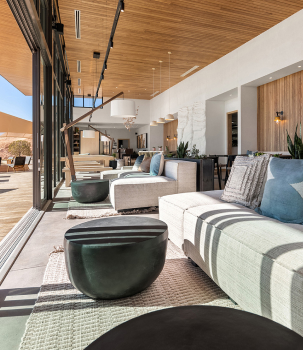
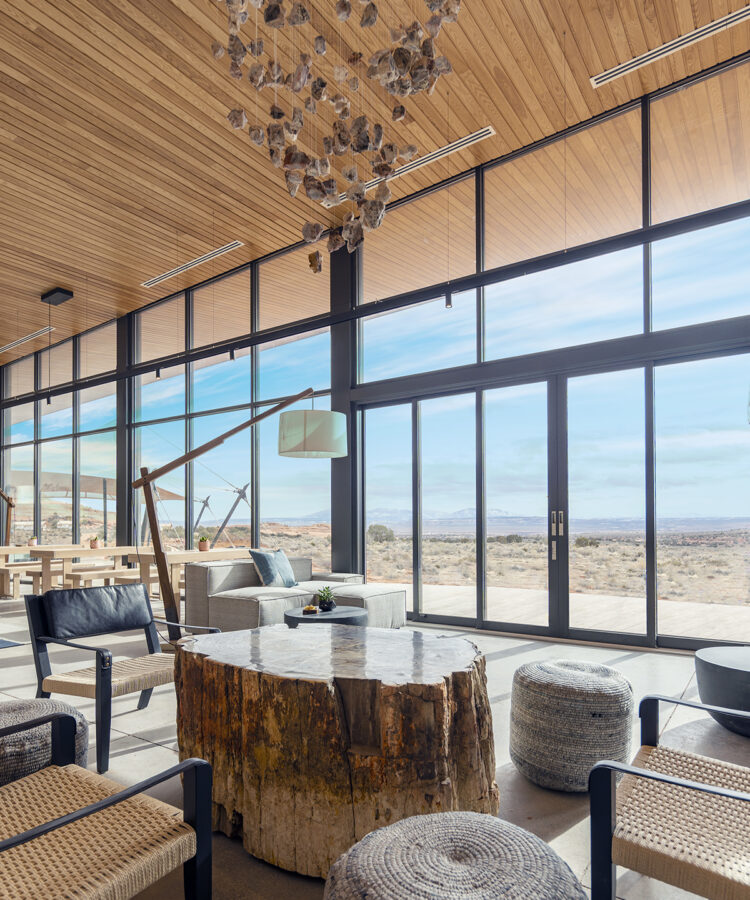
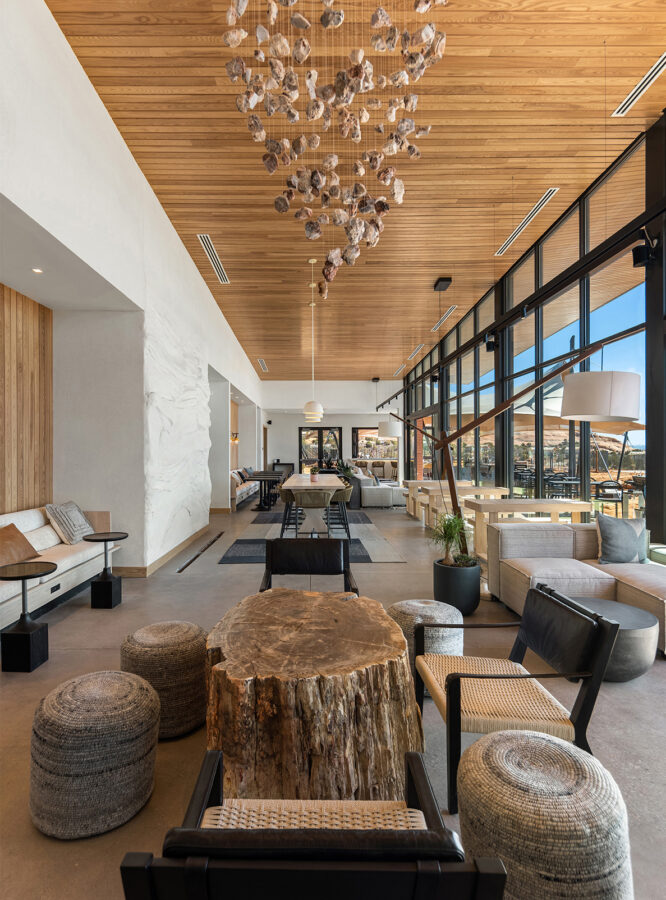
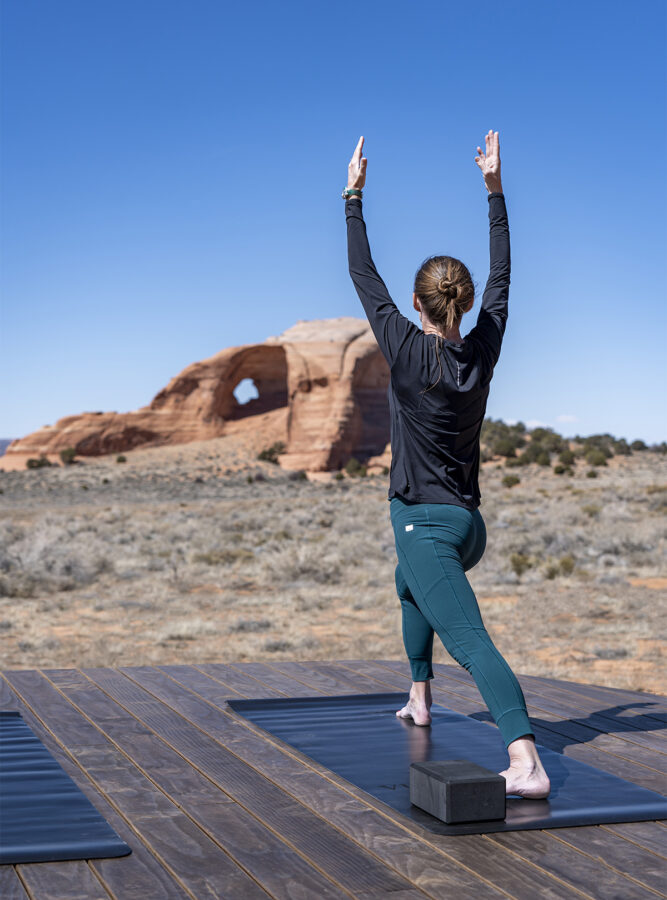
Surrounded by sweeping desert landscapes and steps from Looking Glass Arch, ULUM Moab offers an elevated basecamp for exploring southeastern Utah. Wake up in safari-inspired Suite Tents to views across Canyonlands National Park, then set out for a day of hiking, climbing, scenic drives, and cultural exploration in Bears Ears. After a day in the red-rock desert, return for elevated dining, restorative hot and cold dipping pools, massage treatments, and stargazing beneath some of the Southwest’s clearest skies.