The Best Time to Visit Arches National Park
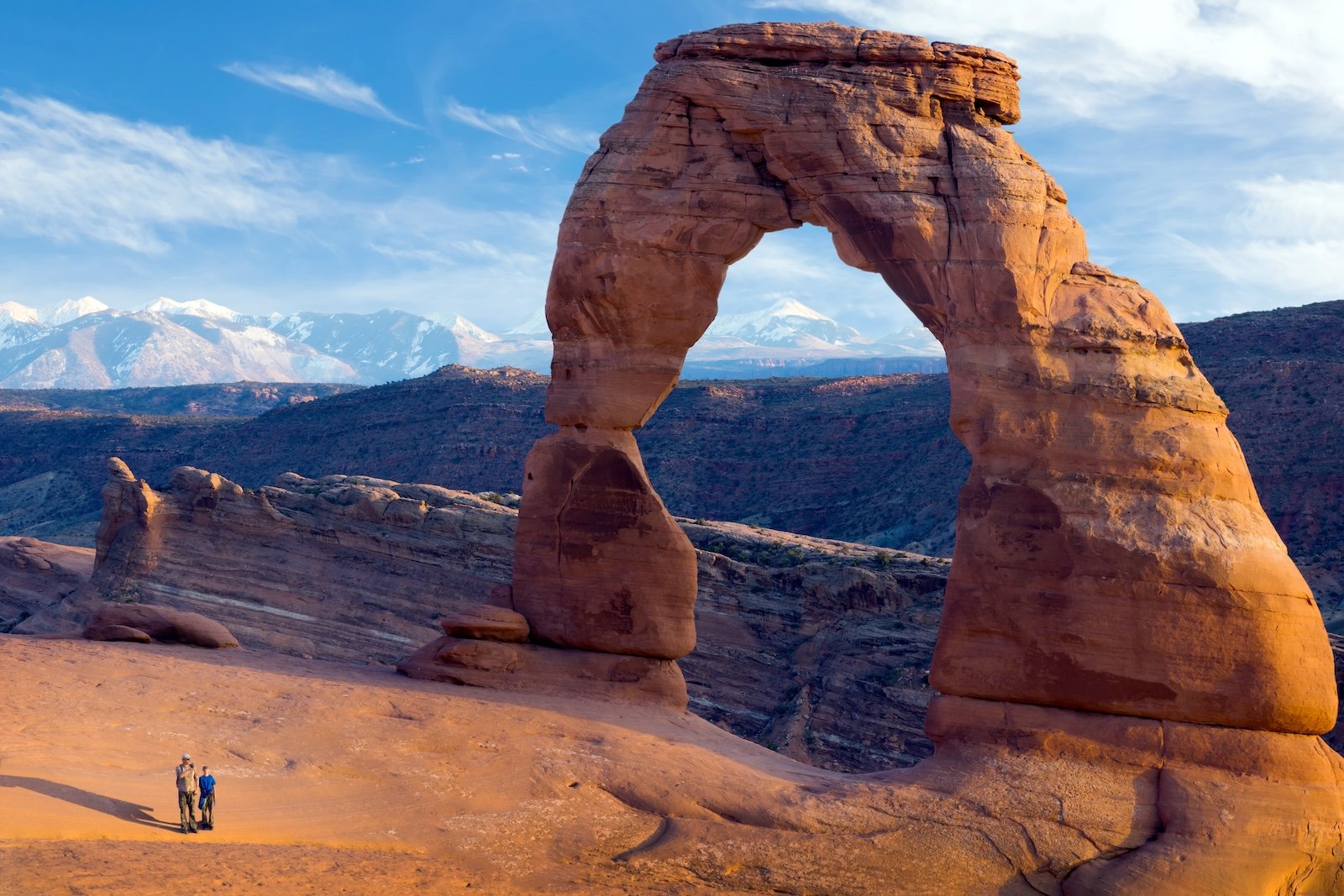
More than 2,000 natural stone arches rise from the desert landscape of Arches National Park near Moab, Utah, where sculpted fins, balanced rocks, and sandstone towers glow red beneath the desert sky. Although the park is open year-round, each season brings a different side of this extraordinary landscape. The best time to visit Arches National Park depends on what matters most to you, whether that’s comfortable hiking weather, fewer crowds, photography, or time to slow down and reconnect with nature. This guide covers what to expect in each season, what to know before you go, and where to stay near Arches for upscale comfort and immersion in nature.
When Is the Best Time to Visit Arches National Park?
For most travelers, the best time to visit Arches National Park is spring or fall, when temperatures are perfect for hiking, biking, and other outdoor adventures. If your dates are flexible, consider Moab’s “secret seasons”: early March, before spring break crowds arrive, and October, when cooler temperatures and golden light transform the desert.
Peak Season in Arches National Park
Arches’ busy season runs from March through October, with April, May, late September, and October being especially popular for hikers. June through August are popular with summer visitors, although daytime temperatures often exceed 100°F and can make hikes and other activities more challenging. During peak season, it’s best to arrive before 8 a.m. or after 3 p.m. for cooler temperatures, softer light, and fewer crowds.
Shoulder Season in Arches National Park
November through February is the quietest time to visit Arches National Park. Winter brings crisp days, quieter trails, and a sense of solitude. The park is especially photogenic with a dusting of snow on its sandstone arches.
Here’s a closer look at Arches National Park by the seasons.
Visiting Arches National Park in Spring
Spring brings mild temperatures, longer days, and desert wildflowers. Average highs climb from around 64°F in March to 71°F in April and 82°F in May, though desert nights can still be chilly.
April and May are among the best months for hiking to Delicate Arch, Landscape Arch, and Double O Arch. Comfortable conditions and longer daylight also leave plenty of time to follow an Arches National Park itinerary without rushing. However, spring break, Easter, and Memorial Day weekend can draw crowds and limit parking.
Visiting Arches National Park in Summer
Summer brings long, sunny days to Arches, with sunrise before 6 a.m. and sunset close to 9 p.m. Average highs reach 93°F in June and hover near 100°F in July and August.
When visiting Moab in summer, hike in the early morning or late afternoon and limit activity during the hottest hours, generally from 10 a.m. to 5 p.m. Carry plenty of water, wear sun protection, choose shorter hikes, and explore by car along the Arches Scenic Drive.
Use midday to slow down over a nourishing meal, return to your accommodations to rest and hydrate, or unwind in hot and cool dipping pools before venturing out again in the late afternoon.
Visiting Arches National Park in Fall
Fall is another favorite time to visit Arches National Park. Average highs cool from around 88°F in September to 74°F in October, which is perfect for hiking Devils Garden. The sun sits lower in the sky, casting a softer glow across the sandstone, while golden cottonwoods add seasonal color, making autumn especially rewarding for photography.
Like spring, fall is popular. Labor Day weekend and October weekends can be busy, so start early. Daylight also shortens from roughly 12 hours in September to sunsets shortly after 6 p.m. in late October.
Visiting Arches National Park in Winter
Winter brings quiet and solitude to Arches, with average daytime highs in the mid-40s to low 50s, freezing nights, and light snowfall. For travelers who don’t mind the cold, the rewards include uncrowded viewpoints, soft winter light, and red-rock formations dusted in white.
December and January have the shortest days, with sunrise around 7:30 a.m. and sunset shortly after 5 p.m. Dress in warm layers, bring traction devices for icy conditions, and check road and trail alerts before entering the park.
Timed Entry and Permits for Arches National Park
Arches National Park is open 24 hours a day, year-round. As of 2026, timed-entry reservations aren’t required, but it’s best to confirm the latest requirements on the National Park Service website before your trip.
During the busy season, traffic is typically heaviest between 8 a.m. and 3 p.m. Since the park remains open after dark, stick around after sunset to experience Moab stargazing beneath some of the clearest skies in the American Southwest.
To enter Arches National Park, you will need a valid entrance pass. If you plan to visit multiple national parks within a year, like nearby Canyonlands National Park, consider purchasing an America the Beautiful Pass, which covers entry to more than 2,000 federal recreation sites.
If you want to enjoy the ranger-led Fiery Furnace hike, you will need to secure a reservation ahead of your visit. Permits are required for canyoneering and rock climbing and are available from the visitor center.
Choosing the Best Season for Your Arches National Park Trip
The best time to visit Arches National Park depends on how you want to experience it:
- Best overall weather: April, May, late September, and October
- Best for hiking: April, early May, late September, and October
- Best for fewer crowds: Late-October through February
- Best for photography: Spring and fall for changing light; winter for possible snow
- Best for long days: June and July, with days planned around the heat
- Best month to visit: Early March and October for comfortable temperatures and hiking conditions
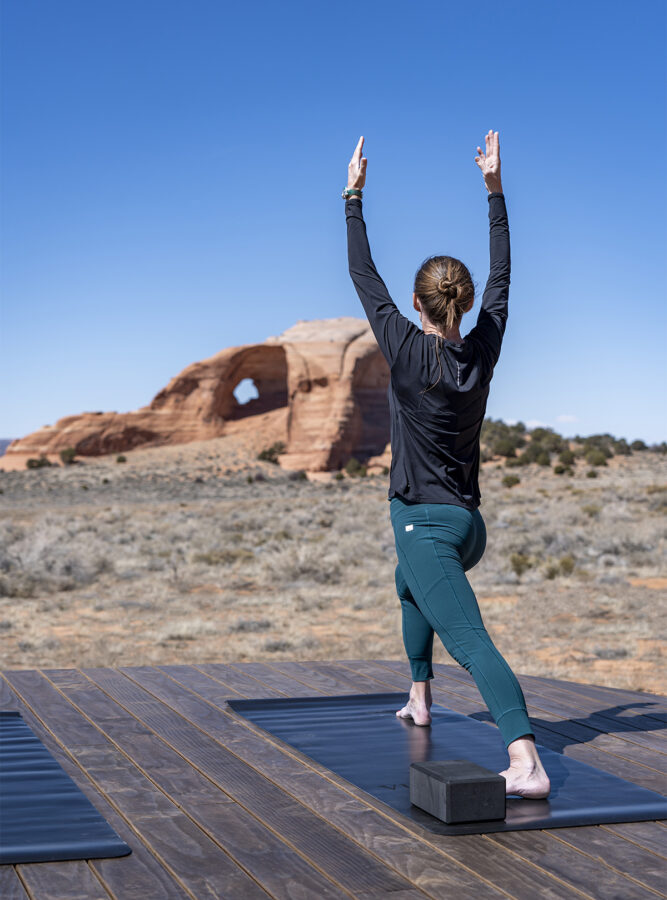
Whenever you visit, allow the landscape to set the pace. Begin with the first light, pause beneath sandstone walls, and leave room for wellness rituals such as yoga, massage, sound meditation, and unhurried evenings beneath the stars.
Where to Stay Near Arches National Park
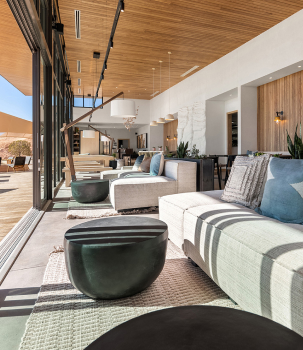
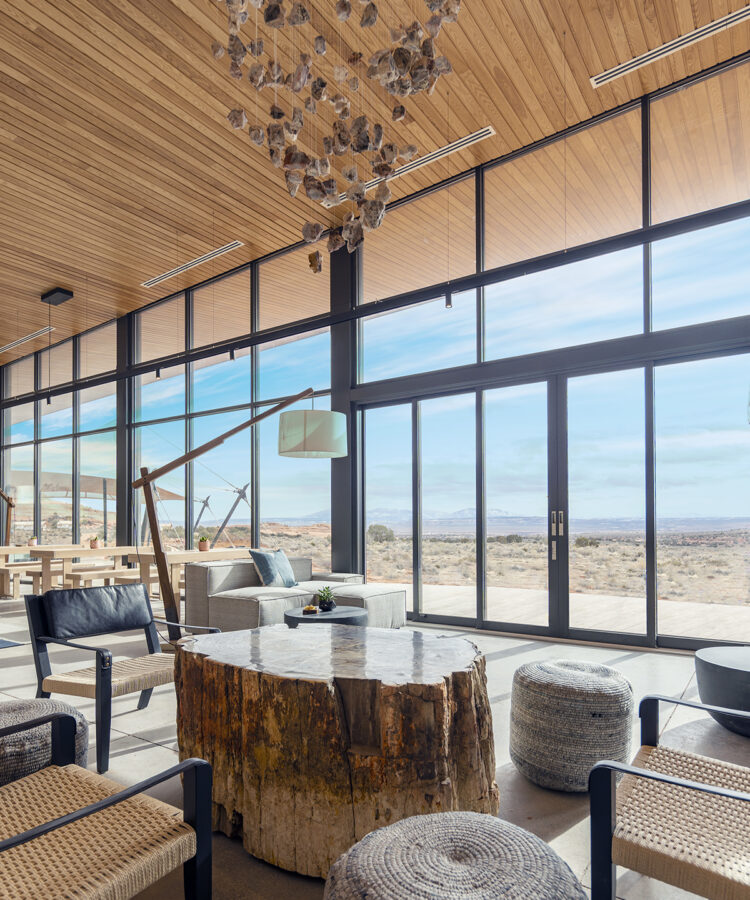
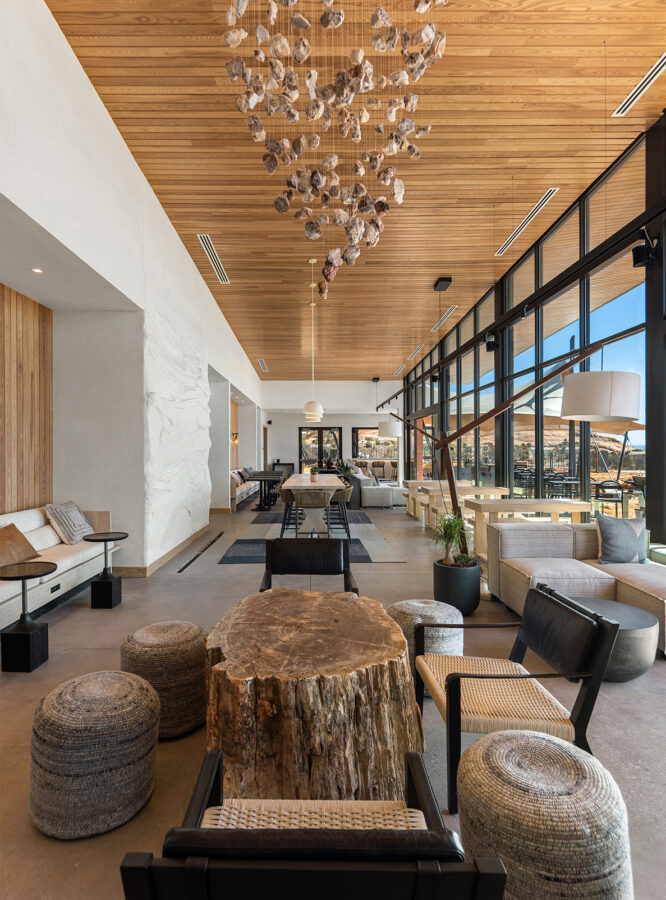
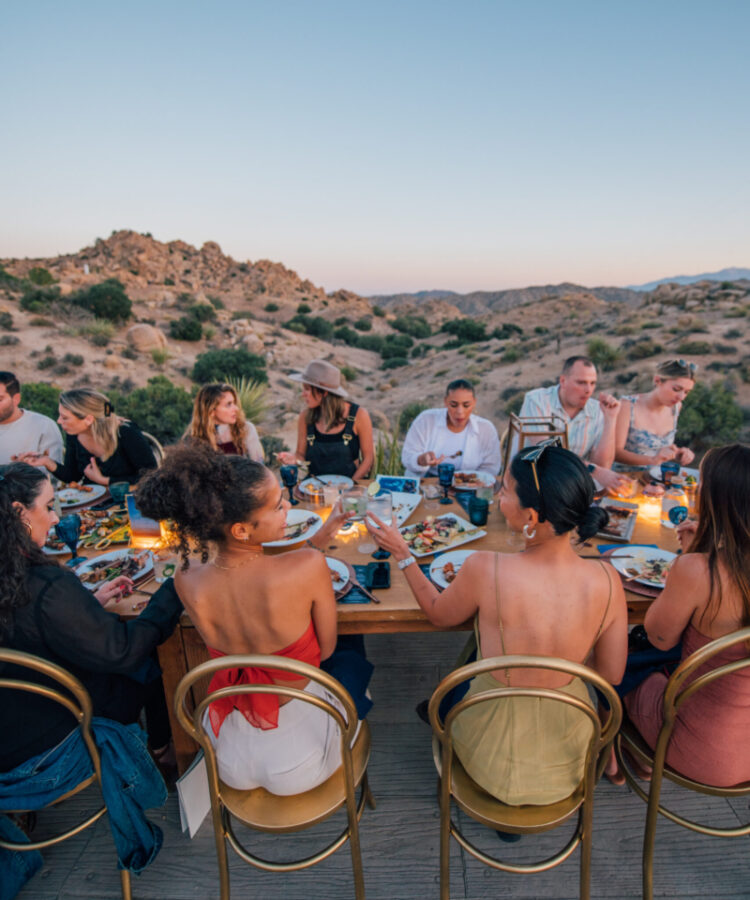
Surrounded by breathtaking landscapes just steps from Looking Glass Arch, ULUM Moab, a MICHELIN Key Resort, offers upscale accommodations tucked into an expansive, secluded desert setting south of Moab, Utah, with views across Canyonlands National Park. Immerse yourself in the outdoors with world-class exploration just beyond your safari-inspired tent, then return for delicious Southwest-inspired cuisine and wellbeing experiences including guided yoga, sound bath meditation, hot and cool dipping pools, massage treatments in a cave, and stargazing with s’mores beneath wide-open desert skies.