Denver to Moab Road Trip: Best Route, Scenic Stops, and Drive Planning
From the snowy peaks of the Colorado Rockies to the sculpted sandstone canyons of southeastern Utah, the drive from Denver to Moab takes you through some of the American West’s most spectacular landscapes. Along the way, mountain towns, winding river valleys, and wide-open desert vistas invite you to slow down and explore. Whether you’re planning a long weekend getaway or a leisurely Denver-to-Moab road trip, this guide covers the best routes, drive times, scenic stops, and travel tips to help you make the most of this mountain-to-desert journey before settling into luxury at ULUM Moab.
Denver to Moab: Distance and Drive Time
How far is Denver from Moab? The drive is approximately 350–360 miles and takes about 5.5–6 hours without extended stops. The most direct route follows Interstate 70 (I-70) west through Colorado before turning south onto US Highway 191 (US-191) toward Moab, Utah. For a more scenic desert journey, Utah Highway 128 (UT-128) follows the Colorado River through dramatic red rock canyon country.
| OPTION | ROUTE | DRIVE TIME | BEST FOR |
| Direct drive | I-70 West to US-191 South | 5.5–6 hours | Fastest, most direct drive |
| Scenic route | I-70 West to UT-128 | 6–6.5 hours | Scenic views and photography |
| Multi-day scenic journey | I-70 West to UT-128 | 2+ days | Breaking up the drive, sightseeing and outdoor adventures |
Best Driving Routes from Denver to Moab
Both routes from Denver to Moab travel west through the Rocky Mountains before entering Utah’s desert landscape. The main difference is how you approach Moab.
Direct Route: I-70 West to US-191 South
For the most straightforward Denver-to-Moab drive, take I-70 west past the mountain towns of Silverthorne, Vail, and Glenwood Springs. Continue through Grand Junction and across the Utah border before taking US-191 south at Crescent Junction toward Moab.
While this is the quickest option, it’s far from ordinary. You’ll cross the Continental Divide, pass through towering Glenwood Canyon, and watch the landscape transform from alpine forests to sandstone mesas.
Whether you’re making the most of a long weekend or eager to immerse yourself in Moab’s red rock landscapes, it’s the quickest way to get there without sacrificing scenic views.
Scenic Route: I-70 West to Utah Highway 128
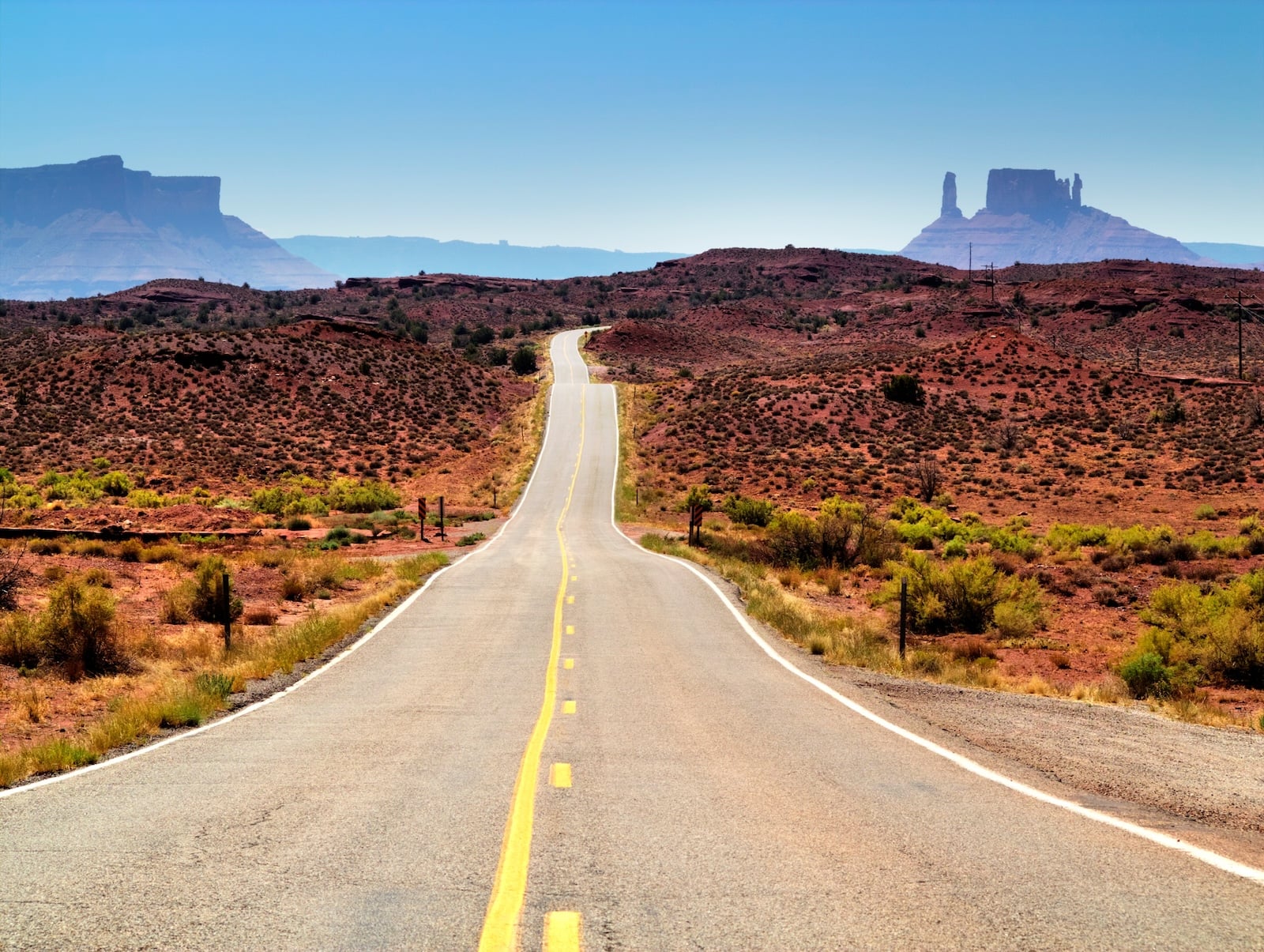
For an unforgettable Denver-to-Moab scenic route, head west on I-70 toward Cisco, Utah, and connect to UT-128, also known as the Upper Colorado River Scenic Byway.
This 45-mile scenic road winds alongside the Colorado River, beneath towering red sandstone cliffs, and through expansive desert valleys for a spectacular introduction to Utah’s red rock country. Along the way, take in views of Fisher Towers, Castle Valley, and the La Sal Mountains before the route joins US-191 just north of downtown Moab.
This route is perfect for travelers with a little extra time who want the journey to be part of the adventure. If you have multiple days to travel from Denver to Moab, consider breaking up the scenic drive with an overnight stay or two, leaving plenty of time to explore mountain towns and enjoy outdoor adventures along the way.
Best Scenic Stops Between Denver and Moab
One of the greatest rewards of a road trip from Denver to Moab is the opportunity to stop and explore along the way. These stops turn a travel day into a memorable adventure.
Vail, Colorado
Surrounded by the Rocky Mountains, Vail makes a beautiful first stop about 2 hours into your drive. Stretch your legs on Vail Village’s pedestrian-only streets and enjoy a leisurely lunch surrounded by European-style architecture and alpine scenery. If time allows, hit the hiking trails or ride the gondola up the mountain for unbeatable views.
Glenwood Canyon and Glenwood Springs, Colorado
Just an hour from Vail, the drive through Glenwood Canyon is a highlight in itself, with steep canyon walls rising above I-70 and the Colorado River. Just beyond the canyon, Glenwood Springs offers a welcome chance to unwind or refresh. Soak in the town’s famous geothermal hot springs, explore downtown, pause for a meal, or spend the night before continuing west.
Colorado National Monument, Colorado
Just under 2 hours from Glenwood Springs, Colorado National Monument offers a striking preview of red rock landscapes. Its 23-mile Rim Rock Drive winds past towering sandstone monoliths, deep canyons, and sweeping overlooks. Allow at least 1–2 hours to enjoy the scenic drive, wildlife watching, and a few photo stops, or longer if you’d like to hike.
Grand Junction and Fruita, Colorado
As you approach the Utah border, Grand Junction and nearby Fruita make excellent gateways to Colorado National Monument and good places to eat and refuel. Surrounded by mesas, vineyards, and desert trails, the area marks a transition from Colorado’s mountain landscapes to the expansive scenery of the Colorado Plateau.
Fisher Towers and Castle Valley, Utah
Take the scenic UT-128 route and keep an eye out for the towering sandstone spires of Fisher Towers and sweeping views of Castle Valley. Scenic pullouts let you admire the dramatic red rock formations, while nearby hiking trails invite further exploration. Rock climbers also frequent this area, so you may spot them scaling the sandstone towers. With the Colorado River winding beneath towering cliffs and the distant La Sal Mountains on the horizon, this stretch is well worth the scenic detour.
Planning Your Denver to Moab Road Trip
You can do the Denver to Moab road trip in a day if you take the direct route and keep stops short. You’ll want to allow 7–9 hours for a more relaxed day with meals, sightseeing, and scenic detours. For a leisurely 2-day itinerary, spend day one exploring the Rockies and overnight in Glenwood Springs. On day two, continue west through Grand Junction, visit Colorado National Monument, and enjoy the scenic approach to Moab via UT-128.
Best Time of Year to Drive from Denver to Moab
Spring and fall are ideal for a Denver-to-Moab road trip, with milder temperatures and comfortable conditions for exploring Moab’s desert landscapes. Summer brings longer daylight hours and plenty of outdoor adventures, though the intense desert heat calls for extra planning and time to relax. Moab’s night skies are spectacular year-round for stargazing, but summer offers some of the best Milky Way views.
Check out our seasonal guide to visiting Moab for more.
Tips for Road Tripping from Denver to Moab
Before hitting the road, keep these tips in mind:
- Start early: Build in time for traffic, scenic stops, and unexpected delays, especially on holidays and weekends.
- Fuel up along the way: Grand Junction and Fruita are convenient places to refuel before entering more remote stretches of Utah.
- Pack for changing conditions: Mountain temperatures can be dramatically cooler than the desert. Bring layers, sun protection, and plenty of water.
- Check road conditions: Snow and ice are possible in Colorado’s mountains well into spring and as early as fall. Check Colorado road conditions before your trip.
- Download offline maps: Cell signal can be spotty in Colorado’s mountains and Utah’s remote desert areas, so download maps and directions before hitting the road.
- Book accommodations ahead: Reserve your lodging in advance, especially during Moab’s busy spring and fall seasons, when popular places fill up quickly.
Where to Stay in Moab
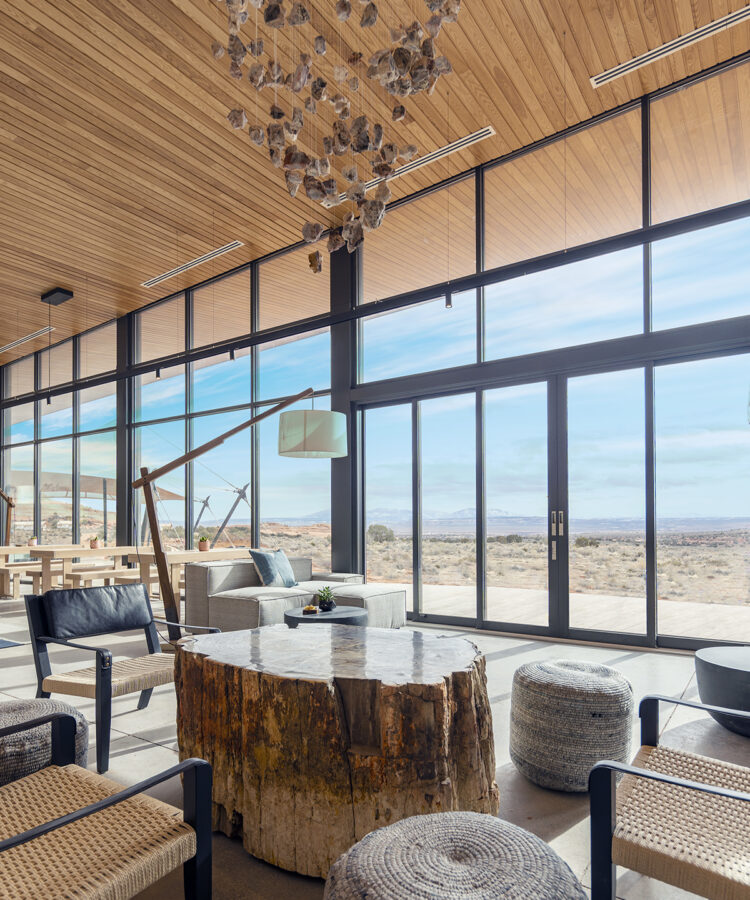
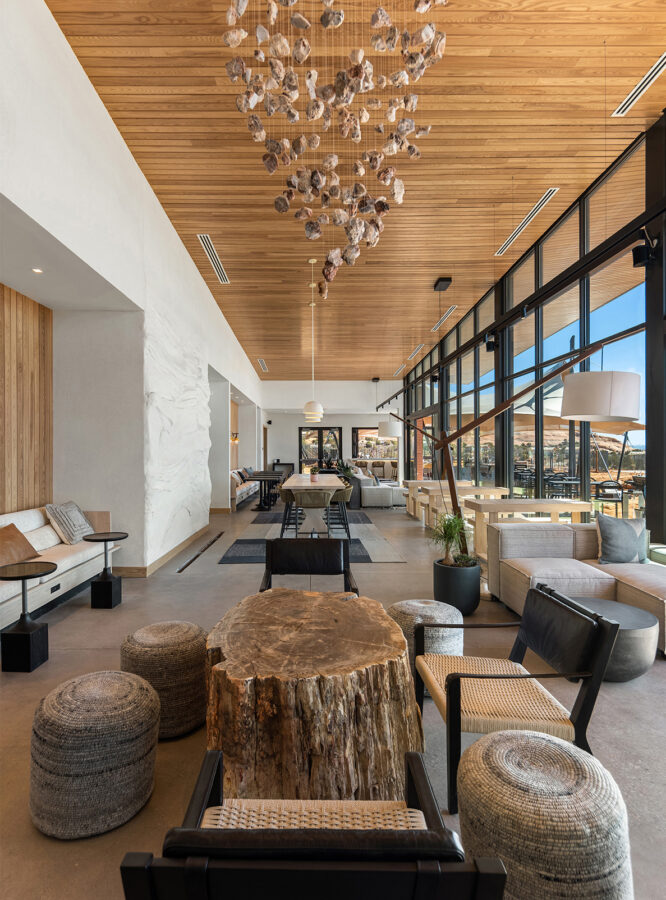
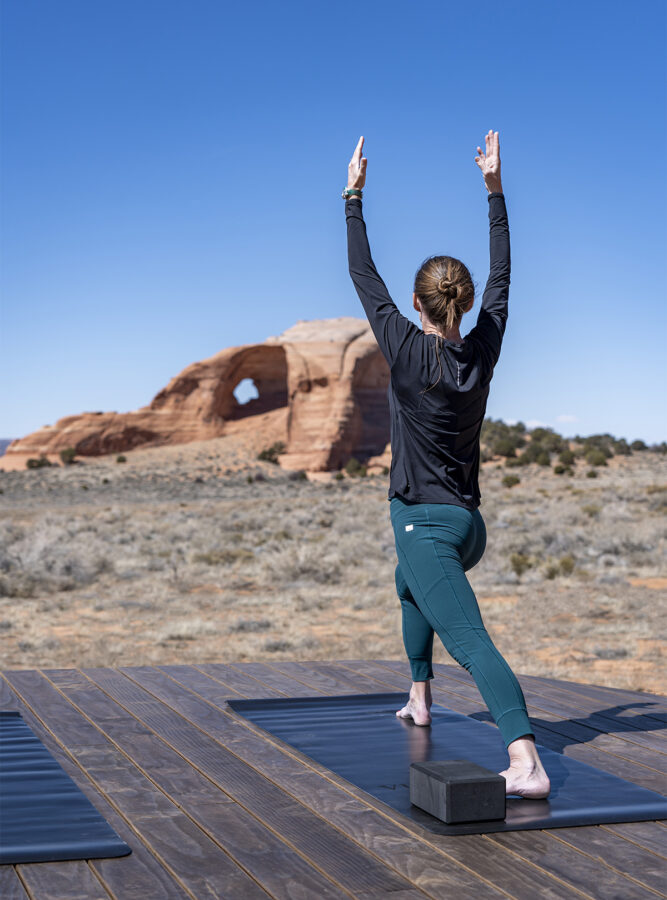
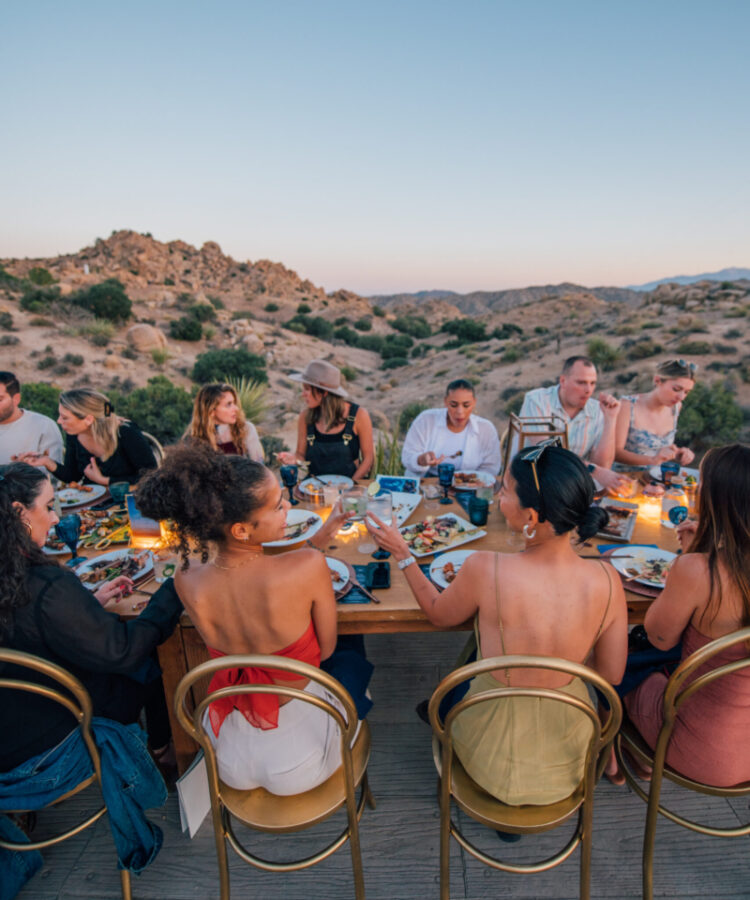
Located 25 miles south of downtown Moab near Looking Glass Arch, ULUM Moab is a MICHELIN Key outdoor resort where desert adventure meets refined comfort. Settle into safari-inspired Suite Tents with king beds, luxe linens, ensuite bathrooms, and private decks with sweeping red rock views. Between adventures, unwind with full-service dining, desert-view dipping pools, yoga and wellness sessions, and rejuvenating treatments in the massage cave. As evening falls, gather around the fire for gourmet s’mores, acoustic music, and stargazing beneath the vast desert sky. It’s the perfect balance of adventure, wellness, and luxury in nature.
For more inspiration, explore our 5-day Moab itinerary to make the most of your desert adventure.